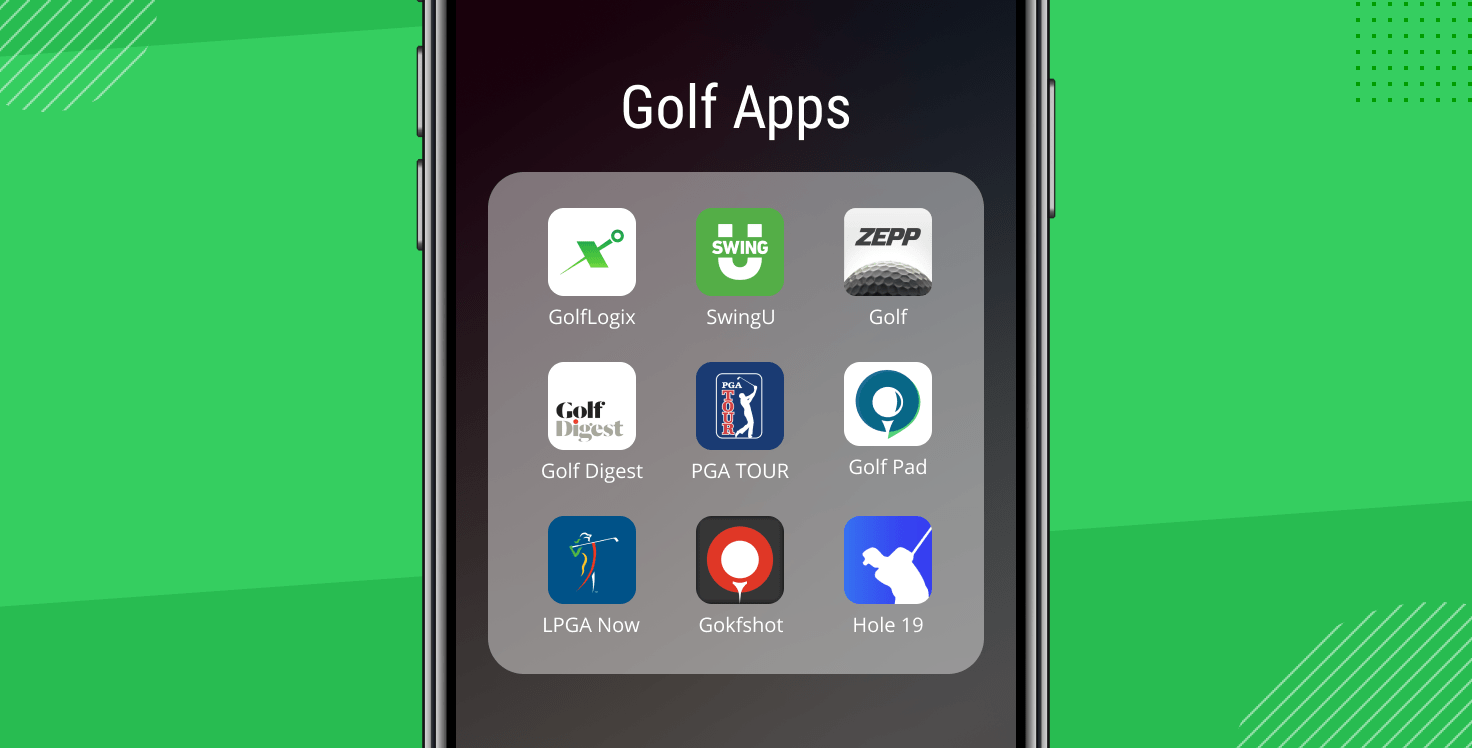
Golf has always been a sport rooted in tradition, but in recent years, technology—especially mobile apps—has reshaped how golfers practice, play, and improve. What was once confined to notebooks, scorecards, and expensive training sessions is now stored inside a pocket-sized device. From GPS yardage tracking to AI-powered swing analysis, mobile golf apps have transformed smartphones into powerful digital caddies, coaches, and scorekeepers.
This shift is not just about convenience. It represents a full evolution in how golfers interact with the game at every skill level.
From Scorecards to Smart Data
Traditional scorecards recorded only the most basic information: strokes per hole and total score. Today’s mobile golf apps instantly capture far more valuable data. Players can now track fairways hit, greens in regulation, putting averages, and even club distances. Over time, this creates a detailed performance profile that helps golfers identify weaknesses and track improvement.
Apps like these have turned casual golfers into data-driven athletes. Instead of guessing why a round went poorly, players can now analyze exact problem areas—whether it’s approach shots, bunker play, or putting consistency.
GPS and Course Mapping: Precision at Your Fingertips
One of the biggest game-changers in mobile golf apps is GPS technology. With just a glance at their phone, golfers can see precise distances to the front, middle, and back of the green, as well as hazards, doglegs, and layup zones. No more pacing off yardages or hunting for sprinkler heads.
Advanced course mapping now includes 3D views, heat maps of greens, and real-time pin placement. This gives players smarter course management, helping them choose safer lines of play and better club selections. For amateurs especially, this level of insight can shave strokes off a round simply by avoiding unnecessary risks.
Swing Analysis Without the Pro Shop
In the past, detailed swing analysis required expensive high-speed cameras and professional studios. Now, mobile apps use smartphone cameras and AI software to break down a golfer’s swing frame by frame. These apps can identify issues with posture, tempo, club path, and face angle.
Some platforms even compare your swing to professional players, highlighting where your mechanics differ. This makes high-level coaching accessible to golfers who may not have regular access to a teaching pro. While it doesn’t replace in-person instruction entirely, it dramatically lowers the barrier to technical improvement.
Virtual Coaching and Digital Training Platforms
Beyond swing analysis, full digital coaching platforms are now available through mobile apps. These platforms offer structured practice plans, drills, progress tracking, and even live video lessons with certified instructors. Golfers can receive feedback on their technique without stepping onto a driving range lesson tee.
This convenience is especially valuable for players with busy schedules. A golfer can complete a 15-minute guided practice session at home or on a range and still receive professional input. Over time, this constant feedback loop accelerates improvement far more efficiently than occasional lessons alone.
Social Golf: Connecting Players Worldwide
Mobile golf platforms have also transformed the social side of the game. Players can now share rounds, statistics, and highlights instantly with friends or online communities. Competitive features like global leaderboards, handicap tracking, and virtual tournaments allow golfers to compete beyond their local course.
This social layer adds motivation. Golfers are more likely to practice when they can compare results with others, join challenges, or track rankings. It turns individual practice into a connected digital experience that feels more engaging and rewarding.
The Business Impact on Golf
Golf courses, academies, and brands have also benefited from mobile platforms. Courses integrate apps for tee-time booking, digital scorecards, food ordering, and on-course navigation. Academies use platforms to distribute training content, manage student progress, and provide remote coaching.
Golf brands leverage apps for product launches, virtual fittings, and direct marketing. The entire golf economy is becoming more digitally connected, with mobile platforms serving as the bridge between players, coaches, and businesses.
Challenges and Limitations
Despite their advantages, mobile golf apps are not without challenges. Data accuracy can vary depending on GPS signal strength, camera quality, and sensor reliability. Over-reliance on stats can also overwhelm some golfers, leading to analysis paralysis instead of natural play.
Additionally, not all courses offer full digital compatibility, and some older players resist transitioning from traditional methods to digital tools. However, as technology becomes more user-friendly, these barriers continue to shrink.
The Future of Mobile Golf Platforms
Looking ahead, mobile golf apps will become even more intelligent. With deeper AI integration, apps will be able to predict shot outcomes, recommend strategy in real time, and customize training plans automatically based on performance data. Virtual reality practice, smart wearables, and biometric feedback are likely to merge directly with mobile platforms.
In the near future, your smartphone won’t just track your golf—it will actively coach you through every round and every swing.
Final Thoughts
Mobile apps and digital platforms have fundamentally changed how golf is played, practiced, and experienced. What was once exclusive to professionals is now available to everyday golfers through their phones. As technology continues to evolve, the line between traditional golf and digital golf will blur even further—creating a smarter, more connected, and more accessible game for players around the world.