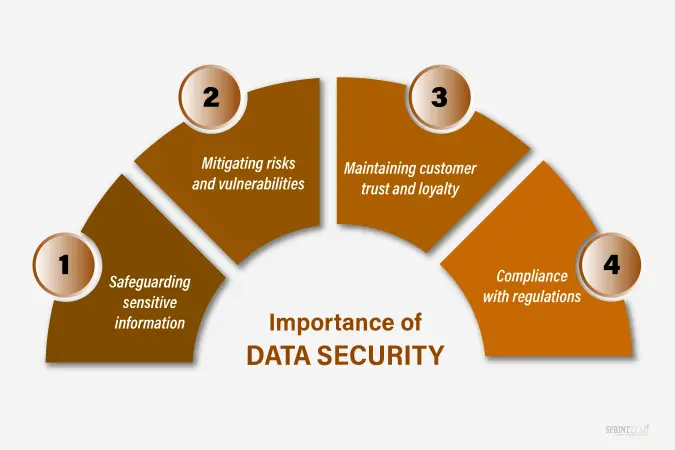
In an era where data is one of the most valuable business assets, protecting digital information has become a top priority. Cyberattacks, data breaches, system failures, and operational risks pose serious threats to organizations across all industries. Software and analytics play a crucial role in ensuring data security and effective risk management.
Why Data Security Matters
Every organization today stores massive volumes of sensitive information, including customer data, financial records, intellectual property, and employee details. A single security breach can result in financial losses, legal penalties, reputational damage, and loss of customer trust.
With increasing digitalization, traditional security methods are no longer sufficient. Advanced software systems combined with analytics offer stronger, smarter, and faster protection.
Software Tools for Data Security
Cybersecurity software includes firewalls, encryption tools, antivirus programs, identity management systems, intrusion detection systems, and endpoint security platforms. These tools protect networks, devices, and cloud environments from unauthorized access.
Encryption software ensures that even if data is stolen, it cannot be read without proper authorization. Identity and access management systems restrict system access based on user roles, preventing internal misuse of data.
The Role of Analytics in Threat Detection
While software tools provide protection, analytics adds intelligence. Security analytics examines system logs, user behavior, network activity, and transaction patterns to detect unusual behavior.
For example, if a user suddenly logs in from a foreign location or attempts to access restricted files, analytics systems flag it as a potential threat. This allows security teams to respond instantly before major damage occurs.
Machine learning algorithms further improve detection by continuously learning from past attack patterns and predicting future risks.
Fraud Detection and Financial Security
In banking and e-commerce, analytics plays a key role in fraud detection. Transactions are analyzed in real time to identify suspicious activities such as multiple rapid purchases, abnormal spending behavior, or unauthorized login attempts.
Software and analytics together stop fraud before it affects customers or institutions. This protects both financial assets and brand reputation.
Operational Risk Management
Risk management is not limited to cyberattacks. Software and analytics also help manage operational risks such as system outages, supply chain disruptions, and compliance failures.
Analytics monitors system performance, identifies bottlenecks, and predicts failures based on historical trends. Predictive maintenance software prevents breakdowns in manufacturing and IT infrastructure by scheduling timely repairs.
Compliance management software ensures businesses follow industry regulations, while analytics tracks audit records and violation risks.
Business Continuity and Disaster Recovery
In the event of cyber incidents, software-driven disaster recovery systems restore critical data and operations quickly. Automated backup systems combined with analytics ensure minimal data loss and reduced downtime.
Business continuity planning software analyzes risk scenarios and helps organizations prepare for emergencies such as cyberattacks, natural disasters, or technical failures.
Challenges in Security Analytics
Despite its power, security analytics faces challenges. High volumes of data can generate false alerts, overwhelming security teams. Lack of skilled cybersecurity analysts also limits effective use of advanced tools.
Additionally, evolving cyber threats require continuous updates and system upgrades, increasing costs and complexity.
Future of Security Through Software & Analytics
The future of data security lies in artificial intelligence-driven cybersecurity platforms. These systems will detect and respond to threats automatically, without human delay. Behavioral biometrics, predictive threat modeling, and zero-trust architectures will become standard.
Conclusion
Software and analytics are the foundation of modern data security and risk management. They protect digital assets, prevent cybercrime, detect fraud, and ensure business continuity. As cyber threats grow more sophisticated, organizations must invest in advanced software and analytics to secure their future and maintain trust in the digital world.