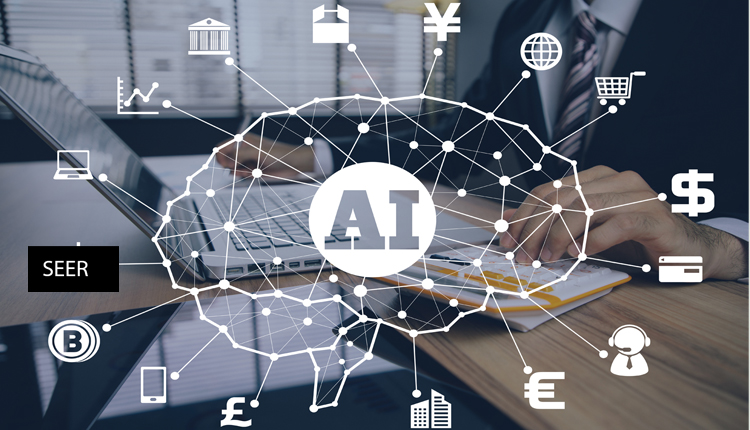
The future of technology is being shaped by the powerful integration of software, analytics, and artificial intelligence (AI). Smart systems are transforming industries by automating decision-making, predicting outcomes, and adapting to real-world conditions. At the core of this transformation lies advanced software and data analytics.
The Evolution Toward Smart Systems
Traditional software follows fixed instructions written by programmers. Smart systems, however, learn from data and improve their performance over time. This shift from rule-based systems to learning-based systems is driven by analytics and machine learning.
Analytics collects, cleans, and processes massive datasets, while AI software analyzes patterns and makes intelligent decisions. Together, they enable systems to think, learn, and adapt.
Artificial Intelligence and Predictive Analytics
Predictive analytics powered by AI is transforming forecasting and planning. Businesses now predict customer behavior, market trends, equipment failure, and financial risks with high accuracy.
Retail companies forecast demand, healthcare providers predict disease risks, and financial institutions predict credit defaults. These insights allow organizations to take proactive action instead of reacting after problems occur.
Smart Automation and Robotics
Software and analytics drive intelligent automation in manufacturing, logistics, and services. Smart robots use real-time analytics to adjust movements, detect errors, and operate safely alongside humans.
In offices, intelligent software bots perform complex administrative tasks such as invoice processing, customer onboarding, and compliance checks.
Smart Cities and IoT Systems
In smart cities, software and analytics control traffic flow, energy usage, waste management, and public safety. Internet of Things (IoT) sensors generate continuous data, which analytics platforms process to optimize city operations.
For example, traffic management systems adjust signal timings based on real-time congestion data, reducing travel time and pollution.
Healthcare and Smart Diagnostics
AI-powered analytics software is improving medical diagnosis, drug discovery, and patient care. Medical imaging software detects diseases such as cancer at early stages. Predictive analytics helps hospitals manage patient loads and resource allocation.
Wearable devices generate health data that analytics platforms use for preventive care and early warning systems.
Ethical and Technical Challenges
As smart systems become more powerful, ethical concerns arise. Data privacy, algorithm bias, and lack of transparency in AI decision-making remain major challenges. Software developers must ensure responsible and fair use of analytics and AI technologies.
Technical challenges include data quality, system integration, computing costs, and cybersecurity risks.
The Road Ahead
Future software will be self-learning, self-healing, and fully integrated with analytics and AI. Technologies such as quantum computing, edge analytics, and human-AI collaboration will redefine smart systems.
Conclusion
The future of software and analytics lies in intelligent, autonomous, and predictive systems. From smart cities and healthcare to robotics and finance, these technologies will shape nearly every aspect of human life. Organizations that embrace this future early will lead the next wave of global innovation.